
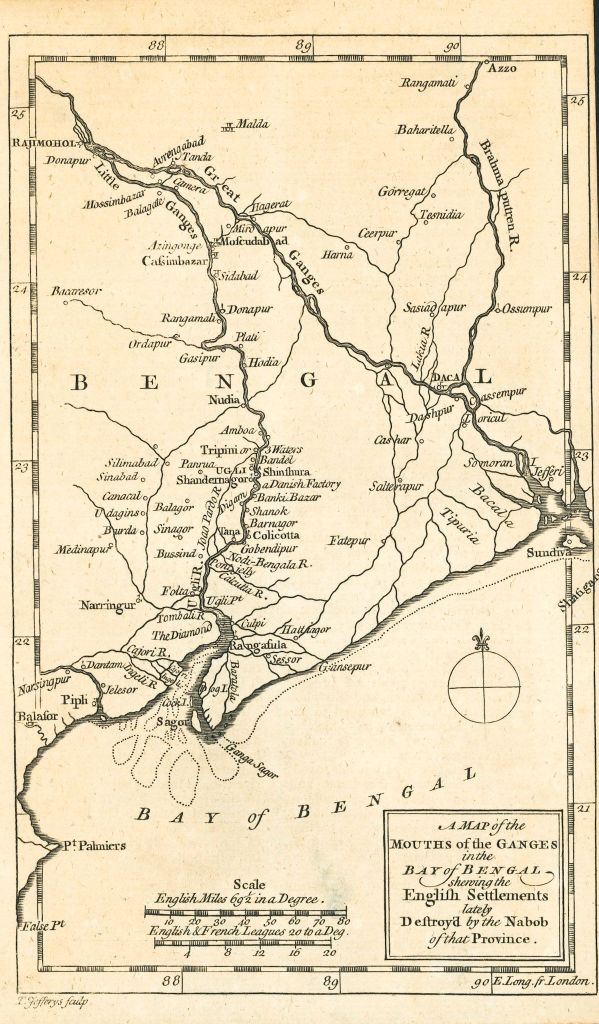


If you travel up the Hooghly River from Calcutta, you’d find a number of small settlements stacked up one after another along the banks. Now, there’s nothing extraordinary about these settlements that evolved into bustling towns with the latest commercial opportunities; except for one little detail. Up until ~150 years back, each of these towns, breathing down the neck of the next, was a separate European settlement and trading port that flourished in harmony for over 150 years.
Around 100 years after Vasco da Gama landed on the west coast of India (1498) and long before the British East India Company was to convert their trading interests into a military invasion, European traders were competing to acquire the Indian exotics – spices, silk, herbs, medicines, crafts in the form of embroidery, precious metals, pottery, timber, ivory, among others. The Portuguese settled in Bandel; followed by the Dutch in Chinsurah, the Danish in Serampore, and the French in Chandannagar.
However, the landscape changed from the mid-18th century as the British East India Company’s colonial appetite took shape. The Europeans gradually left the region by agreement or force, followed by a 200-year long rule of the British empire that drained Bengal of millions of lives and trillions in wealth. Anyway, returning to European settlements, the Portuguese, Dutch, Danish, and French brought along their culture, food, art, architecture as they built their life along the Hooghly.
Today, several thousands of these European settlers rest in these towns with grand epitaphs carved in marble and granite telling curious stories. To this day, their children visit to pay their respect and explore these towns with bungalows, churches, parks, promenades, towers, and convents from the European trading days. Many of these are breathing their last, many have been converted to offer retail experiences, and a few have been restored into museums and tourist attractions.
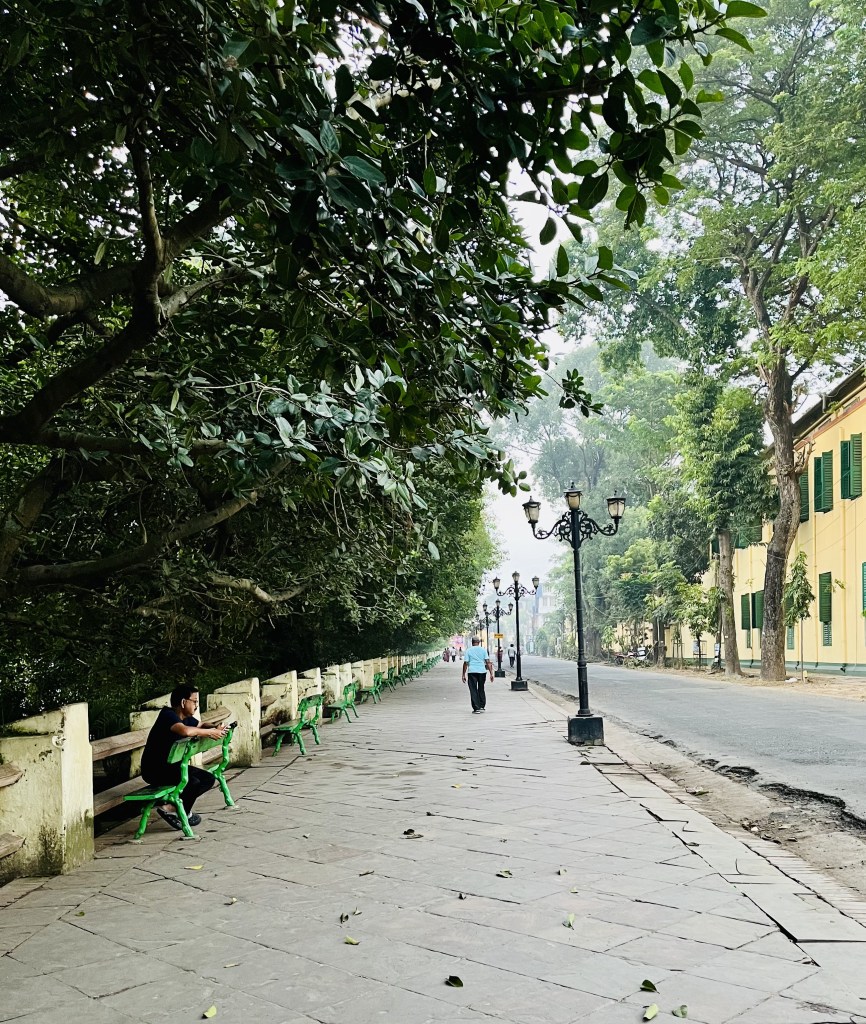
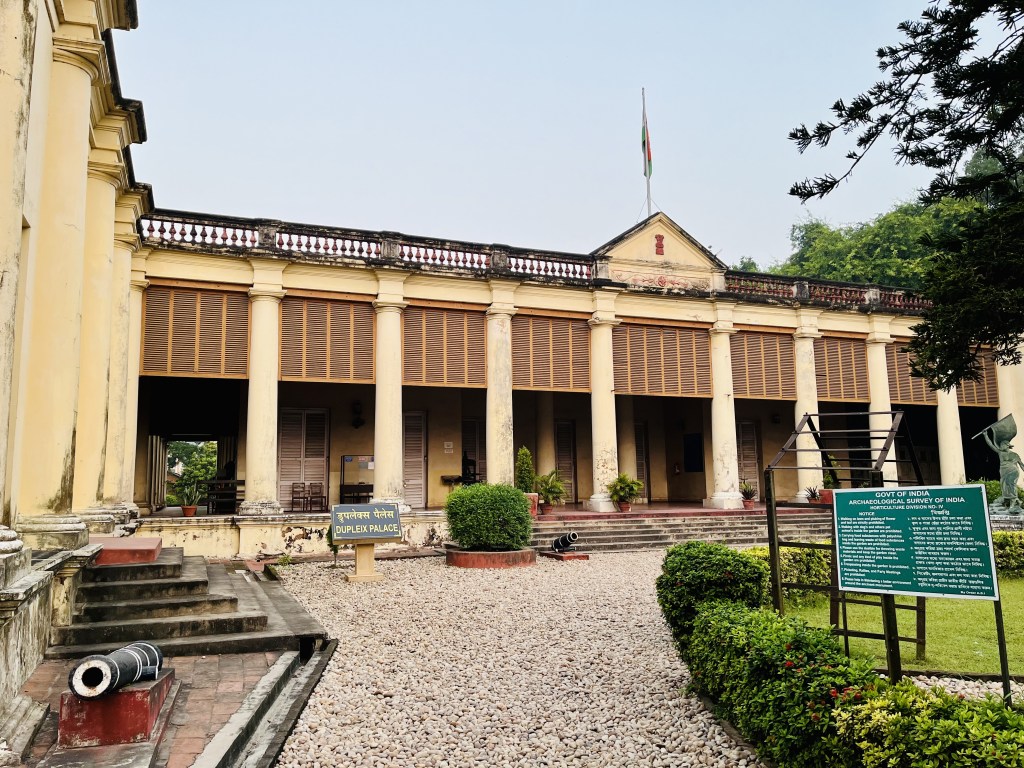
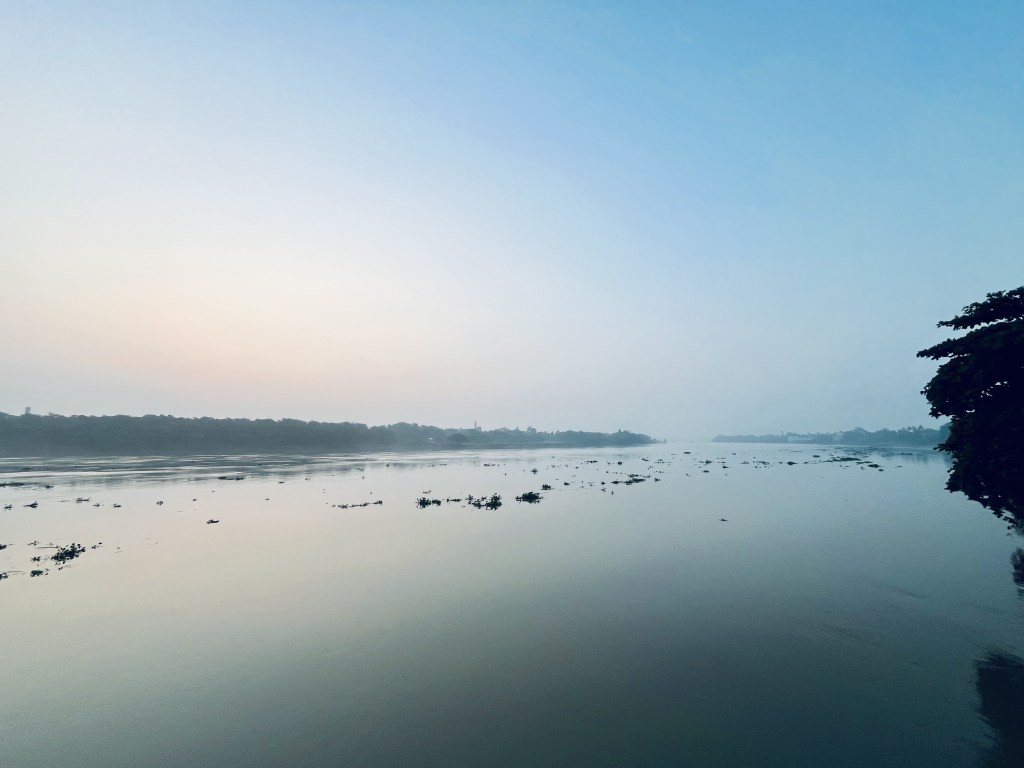
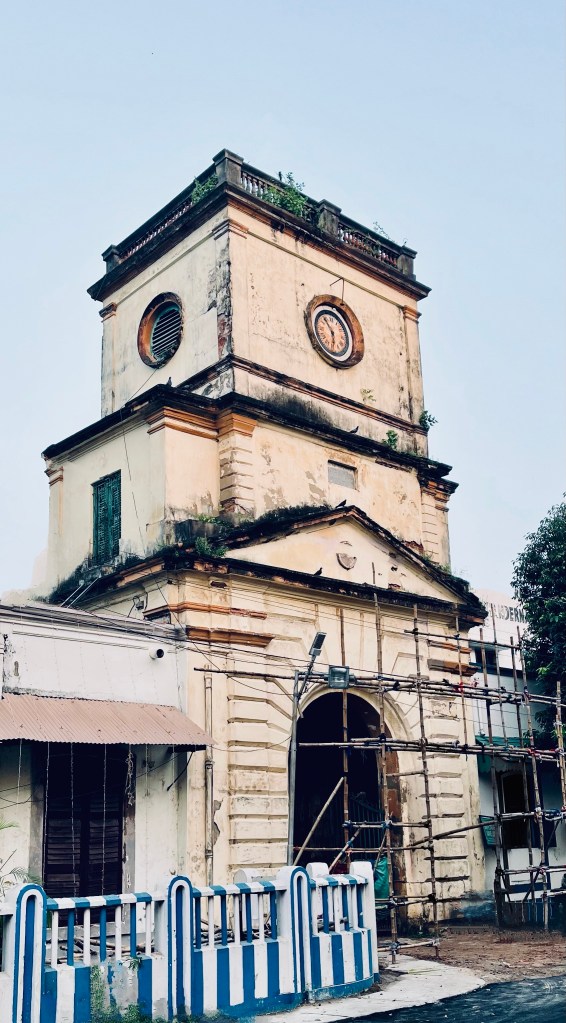
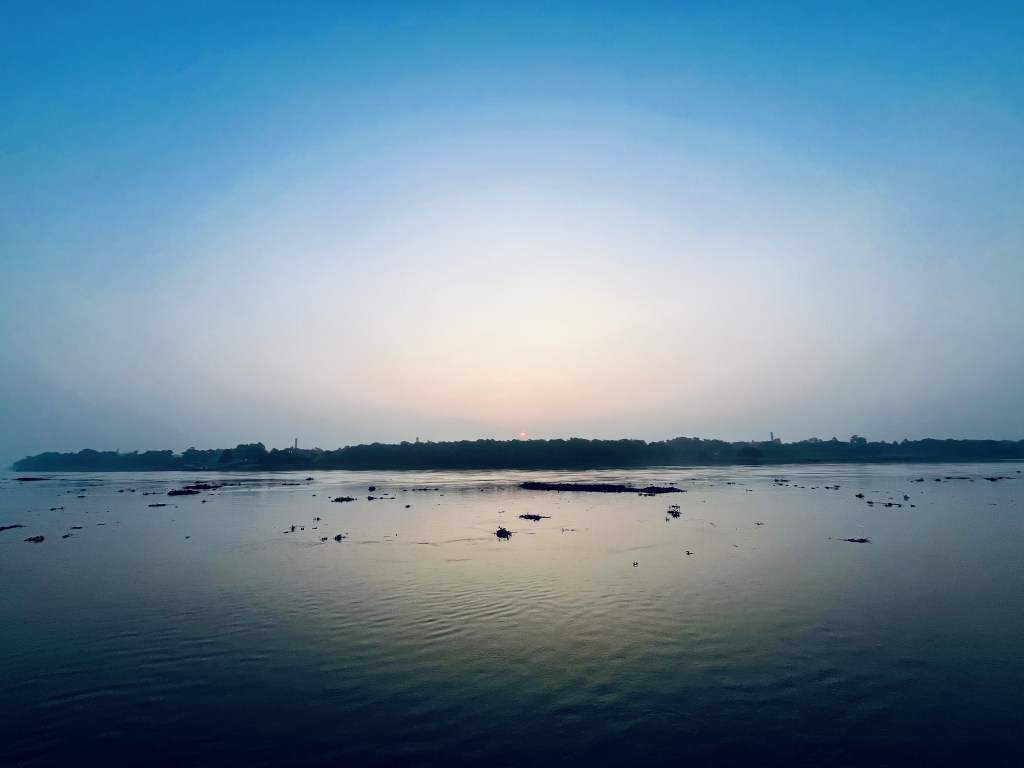
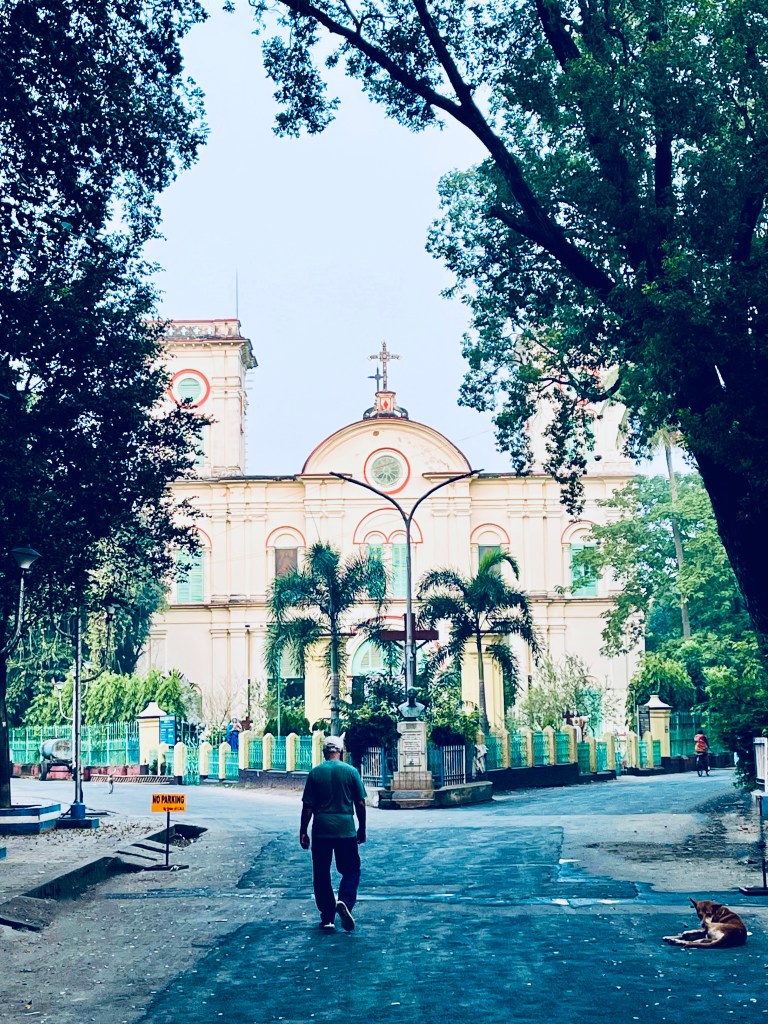
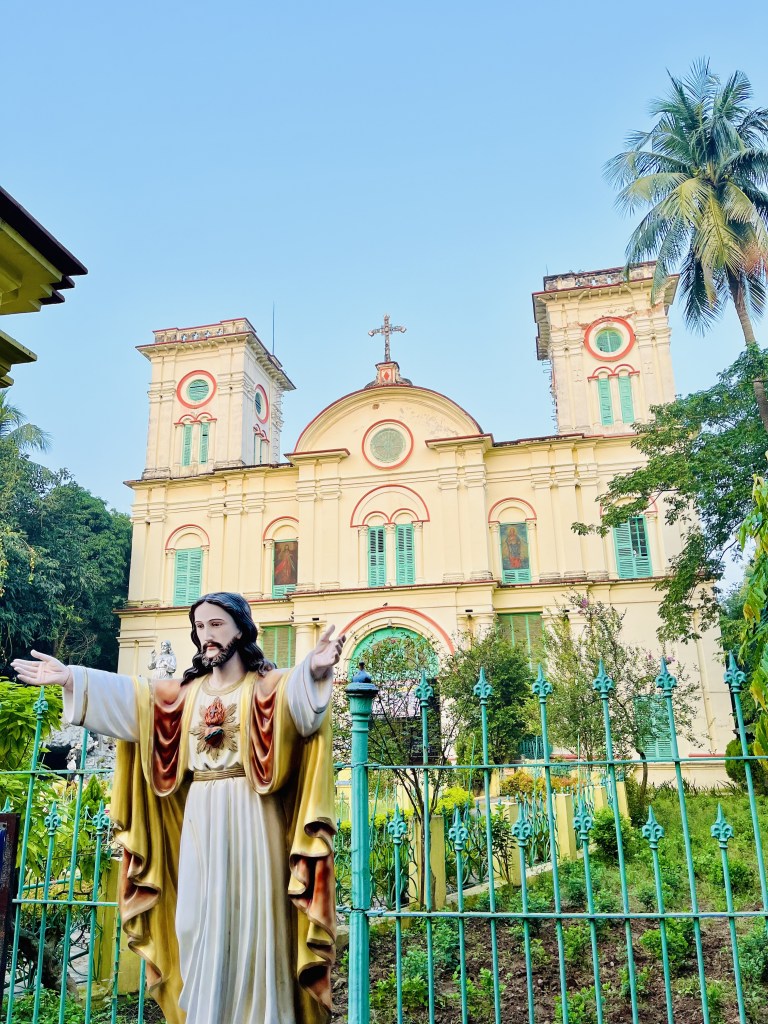
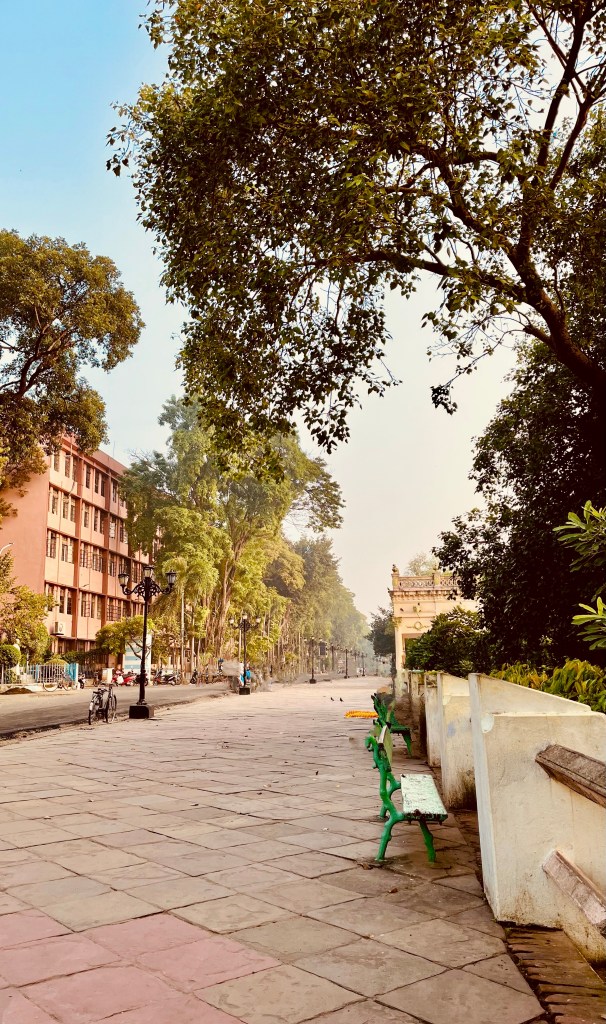
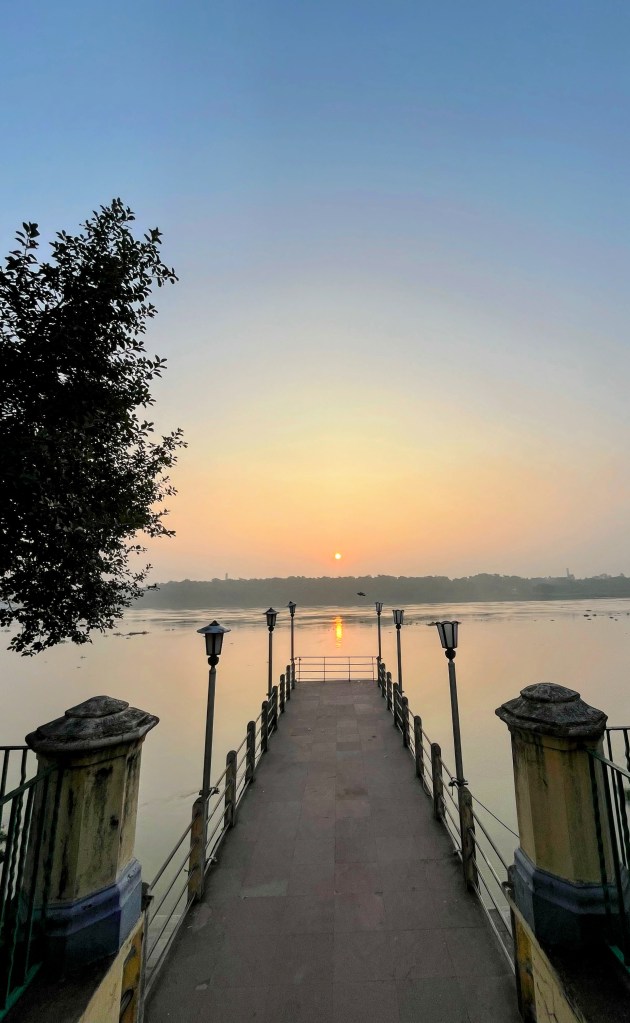
I grew up in one such settlement, Chandannagar. The name Chandannagar means “land of the moon” for here the river crescents like the Moon. Once a sleepy town with quiet streets; today, it’s crowded with high-rises, outlets, and restaurants. However, there are remnants of the old days – a riverside promenade, a restored Church, the erstwhile palace of the French governor that is now a museum, a clock tower, convents, several large and many dilapidated bungalows of merchants who got rich from the river trade, among others.

 arguments & agreements